

- March 28, 2024
- By admin
- Residential
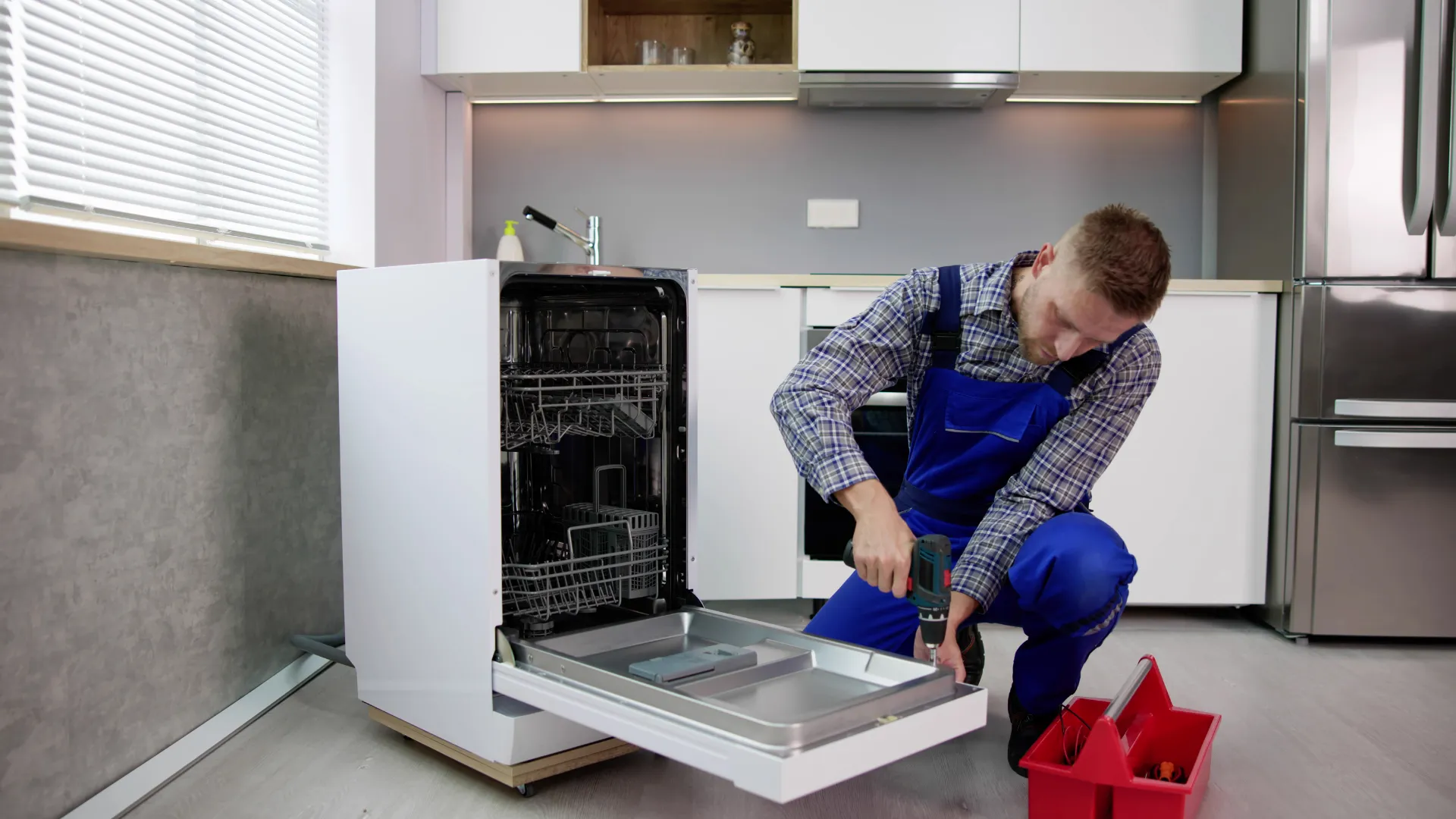
Servicing your dishwasher at home can help maintain its efficiency, prolong its lifespan, and prevent common problems such as clogs, leaks, and inefficiency in cleaning dishes. Regular maintenance ensures your appliance operates at its best, saving you from unexpected repairs. Here’s how to service your dishwasher in detailed steps:
Cleaning the Filter
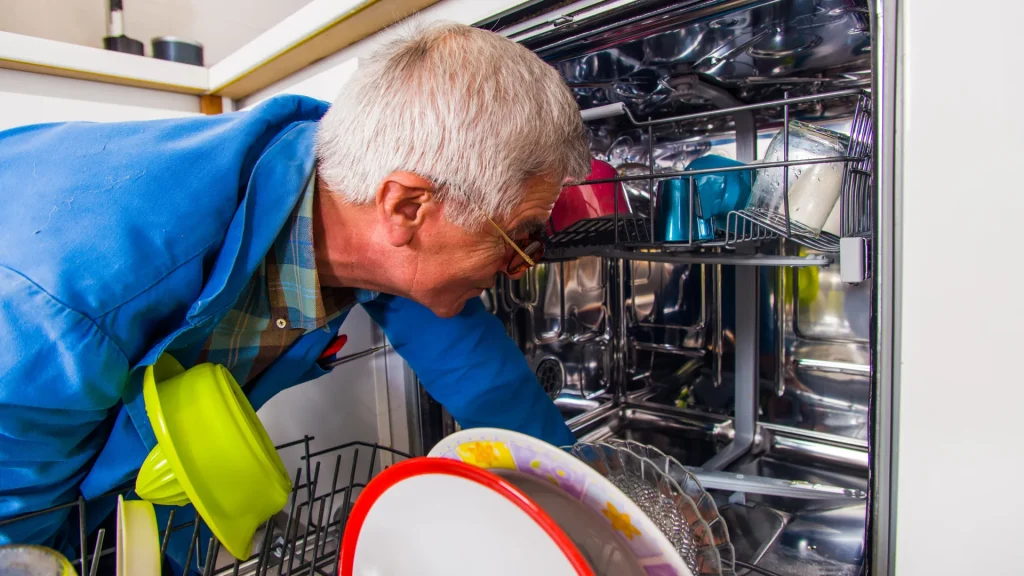
Modern dishwashers come with manual-clean filters that need regular attention to prevent odors and ensure efficient operation. Remove the filter under the bottom spray arm and rinse it under running water. Use a soft brush to remove any stuck-on food particles. Doing this monthly can prevent debris from clogging the dishwasher’s system.
Inspecting and Cleaning the Spray Arms
The spray arms are crucial for distributing water during cycles. Over time, the holes on the spray arms can become clogged with food particles, reducing efficiency. Remove the arms per the manufacturer’s instructions, and use a toothpick or small wire to clear out any clogs in the holes. Rinse them under water to ensure they are completely clean before reattaching them.
Clearing the Drain
The area around the dishwasher drain can accumulate debris, leading to clogs and poor drainage. To clean it, remove any visible food particles or objects. For deeper cleaning, you may need to unscrew the drain cover. Always refer to the user manual to avoid damaging your appliance. Keeping the drain clear ensures water flows freely, preventing backups and leaks.
Freshening Up with Vinegar
Running an empty cycle with vinegar can help remove any lingering odors and buildup inside your dishwasher. Place a cup of white vinegar in an upright, dishwasher-safe container on the upper rack and run a hot-water cycle. This method naturally disinfects and helps to dissolve residues and scale buildup.
Using Baking Soda for Extra Cleanliness
After the vinegar cycle, sprinkle a cup of baking soda across the bottom of the dishwasher and run a short, hot water cycle. This will leave the interior sparkling clean, further reduce odors, and help remove stains.
Cleaning the Exterior and Edges
The dishwasher’s exterior, especially if it’s stainless steel, can accumulate fingerprints and smudges. Use a soft cloth, mild detergent, or stainless steel cleaner to wipe it down. Don’t forget to clean around the edges of the door and the gasket, as food particles and grime can accumulate here, affecting the seal and potentially causing leaks.
Checking and Cleaning the Door Seal
The rubber seal around the dishwasher door keeps water contained during cycles. Check it for any signs of wear, cracks, or food particles that could prevent a proper seal. Clean it gently with a damp cloth to remove any debris. If the seal is damaged, it may need to be replaced to prevent leaks.
Assessing and Tightening Loose Parts
Over time, components of your dishwasher, like the racks or spinning arms, may become loose. Inspect your dishwasher for any parts that may need tightening or adjustments. Secure any loose elements to prevent damage during the washing cycle.
Dealing with Hard Water Buildup
If you have hard water, mineral deposits can form in your dishwasher, affecting its performance. Use a dishwasher cleaner designed to remove lime scale and mineral build-up, or run cycles with a specialized hard water cleaner every few months to keep the interior clean and functioning properly.
Regularly Using Rinse Aid
Rinse aid isn’t just for spotless dishes; it also helps water drain from the surfaces inside your dishwasher, preventing water spots and buildup. Ensure the rinse aid dispenser is always filled according to the manufacturer’s instructions. This small step can significantly impact the machine’s effectiveness and the cleanliness of your dishes.
Updating Settings and Modes
Familiarize yourself with your dishwasher’s settings and modes. Some dishwashers have self-cleaning or maintenance cycles designed to clean the appliance itself. Using these features regularly can help keep your dishwasher in top shape without extra effort.
Checking for Leaks
Regularly inspect under and around your dishwasher for signs of leaks. Water on the floor or under the appliance could indicate a loose connection, a failing gasket, or a crack in the tub. Early detection of leaks can prevent major water damage and costly repairs.
Replacing Worn Parts
Over time, parts like the cutlery basket, dish racks, or spray arms may wear out and need replacing. Check these components periodically for signs of rust or damage, and replace them as necessary to keep your dishwasher functioning efficiently.
Consulting the User Manual
Each dishwasher is unique; consulting the user manual for specific maintenance tips and instructions is wise. The manual can provide valuable insights into caring for your particular model, including troubleshooting steps for common issues.
Scheduling Professional Maintenance
While many maintenance tasks can be done at home, having your dishwasher professionally serviced can address issues you might overlook. A professional can thoroughly inspect and clean parts that are difficult to access and ensure that your appliance operates efficiently. Consider scheduling a service call every few years or sooner if you encounter performance issues.
Regular maintenance keeps your dishwasher running smoothly, ensuring clean dishes and efficient operation. By following these steps, you can prevent common issues, extend the lifespan of your appliance, and save on repair costs. Taking a proactive approach to appliance care can significantly affect its performance and reliability.