


- March 28, 2024
- By admin
- Residential
Ovens are essential appliances in many kitchens, but like any complex machine, they can develop issues over time. Recognizing common problems and how to solve them can save you from inconvenience and potentially costly repairs. Here’s an overview of some frequent oven issues and their solutions.
Oven Not Heating
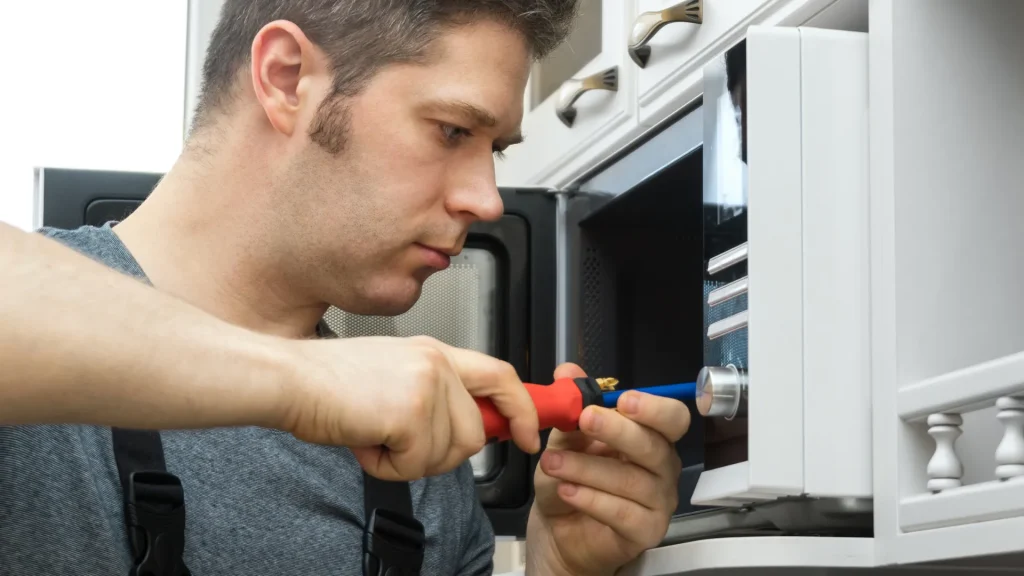
One of the most common oven problems is when it doesn’t heat. For electric ovens, this could be due to a faulty heating element. Replacing the element is usually straightforward and can be done with basic tools. In gas ovens, the issue might be with the igniter. If the igniter isn’t glowing, it likely needs replacement. Regular inspection and prompt replacement of these components can prevent heating issues.
Oven Heating Unevenly
If your oven cooks unevenly, it might be due to obstructed gas lines in gas ovens or worn-out heating elements in electric models. Ensuring that gas lines are clear and elements are functioning correctly is crucial. Recalibrating the oven’s thermostat can improve temperature accuracy and cooking results.
Oven Door Issues
A door that won’t close properly can lead to heat loss and uneven cooking. This can often be attributed to worn or damaged door hinges or seals. Inspecting and replacing these parts can restore the door’s function. Keeping the door clean from grease and debris also ensures it closes tightly.
The Oven Light is Out
The oven light provides visibility but can burn out over time. Replacing the bulb is a simple solution; use a bulb that matches the manufacturer’s specifications. Always disconnect the oven from power before attempting to replace the light.
Self-Cleaning Function Not Working
If your oven’s self-cleaning feature isn’t working, it could be due to a faulty door lock motor or control board. Ensuring the door lock mechanism is clean and unobstructed can sometimes resolve the issue. If not, parts may need to be replaced.
Oven Won’t Turn Off
An oven that won’t turn off poses a safety risk. This issue can be related to a faulty thermostat or control board. Replacing the defective component typically resolves the problem. It’s advisable to unplug the oven and seek professional help if this occurs.
Oven Temperature Fluctuates
Inconsistent oven temperatures can ruin meals. This problem may stem from a faulty temperature sensor or thermostat. Testing and replacing the sensor or recalibrating the thermostat can often correct temperature issues.
Broiler Not Working
The broiler element can fail similarly to the baking element. Checking for visible damage and testing the element with a multimeter can diagnose the issue. Replacement is usually the best solution for a non-functioning broiler.
Oven Makes Noise
Unusual noises from your oven can indicate a problem with the fan or motor. Loose or worn parts can cause rattling or buzzing sounds. Inspecting and securing loose components can help, but worn parts may need replacing.
Control Panel Issues
A malfunctioning control panel can prevent you from setting the oven temperature or using certain features. This could be due to a loose connection or a failed control board. Resetting the oven or checking connections might help, but a replacement is often required for more serious issues.
Oven Produces Smoke
Accumulated grease and food debris can cause smoke when the oven is used. Regular cleaning, especially after spills, can prevent this. If your oven smokes excessively, it might also indicate an issue with the heating elements or thermostat, requiring further investigation.
Error Codes on Display
Modern ovens may display error codes when experiencing issues. Refer to your oven’s manual to understand what these codes mean. Common solutions include resetting the oven, checking for loose connections, or replacing faulty components.
Delayed Ignition in Gas Ovens
An ignition delay can cause a small explosion or gas smell in gas ovens. This dangerous issue often results from obstructed burners or issues with the gas supply. Keeping burners clean and ensuring a consistent gas flow can prevent ignition delays.
The Oven Doesn’t Maintain a Set Temperature
If your oven struggles to maintain the set temperature, it could be due to a malfunctioning thermostat or sensor. Regular calibration and replacement of faulty sensors ensure consistent cooking temperatures.
Electrical Issues
Ovens can experience electrical issues, such as tripping circuit breakers or not turning on, possibly due to short circuits or wiring problems. Ensuring your oven is correctly installed and consulting with a professional for electrical issues can prevent these problems.
By understanding these common issues and their solutions, you can ensure your oven remains a reliable tool in your kitchen. Regular maintenance, prompt repairs, and knowing when to call a professional can keep your oven in top condition, ready for whatever culinary tasks you have.